
Extensions · Loft conversions · New builds

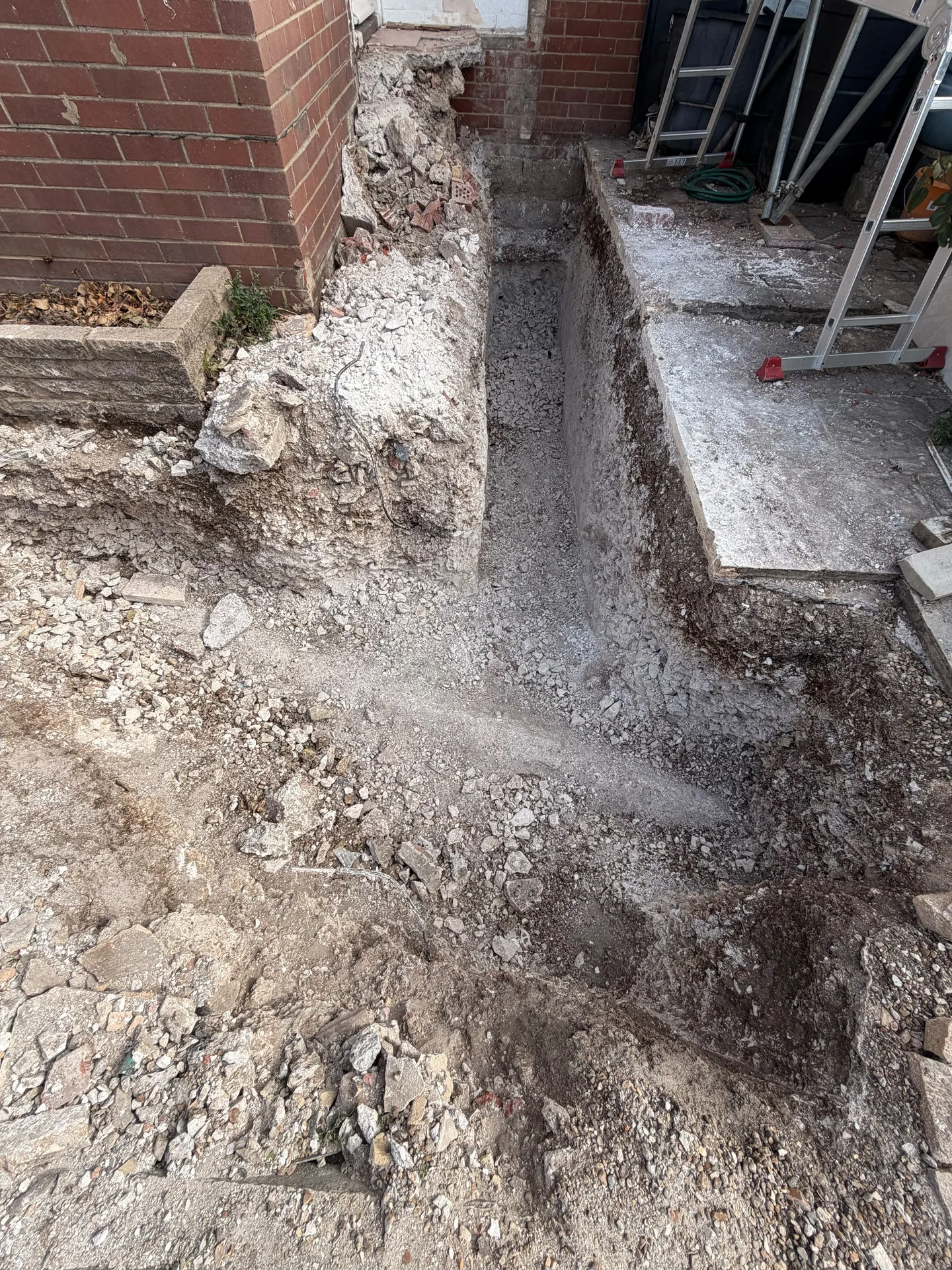
Excavated foundation groundworks showing prepared ground layers beside brick house

MoreSpace Sussex Ltd

Foundations in Rottingdean

Every extension, loft conversion, or new build relies on solid foundations laid correctly from day one in Rottingdean. Properly executed foundations are crucial for ensuring the longevity and stability of your construction project.

  • On-time, on-budget delivery
  • Clear communication and a fast response
  • One contractor from groundworks to the keys

See our work in person Visit a finished project and talk to past clients

Request Your Free Consultation

Who This Service Is For

Homeowners Planning Extensions

If you're planning to add a single storey extension, kitchen extension, or any other type of house extension, the work truly begins with the foundations in Rottingdean. The required specifications depend on the type of soil present, the load the new structure will bear, and the conditions beneath your existing property. Achieving proper foundations in this stage allows the remainder of your build to proceed on solid ground, preventing costly complications that often arise from cutting corners early on.

Investors Building New Homes

Anyone commissioning a new build home in Rottingdean needs foundations suited to the unique conditions of their plot. We conduct a comprehensive site survey before any excavation, identifying the ground's capabilities and determining the appropriate foundation type. Whether the need arises for strip foundations, a concrete raft, or pile work for challenging terrains, we ensure the foundations are correctly sized and constructed to meet Building Regulations and the long-term demands of the structure above.

Owners of Older Sussex Properties

Older properties in Rottingdean have varying ground conditions, from clay to chalk to sandy subsoils, and extending them necessitates a clear understanding of what already exists below. During our site assessment, we examine the existing foundations and how new foundations must relate to them. This consideration is particularly crucial where soil conditions may have changed over the years, protecting your investment by avoiding structural issues that could be expensive to rectify after construction.
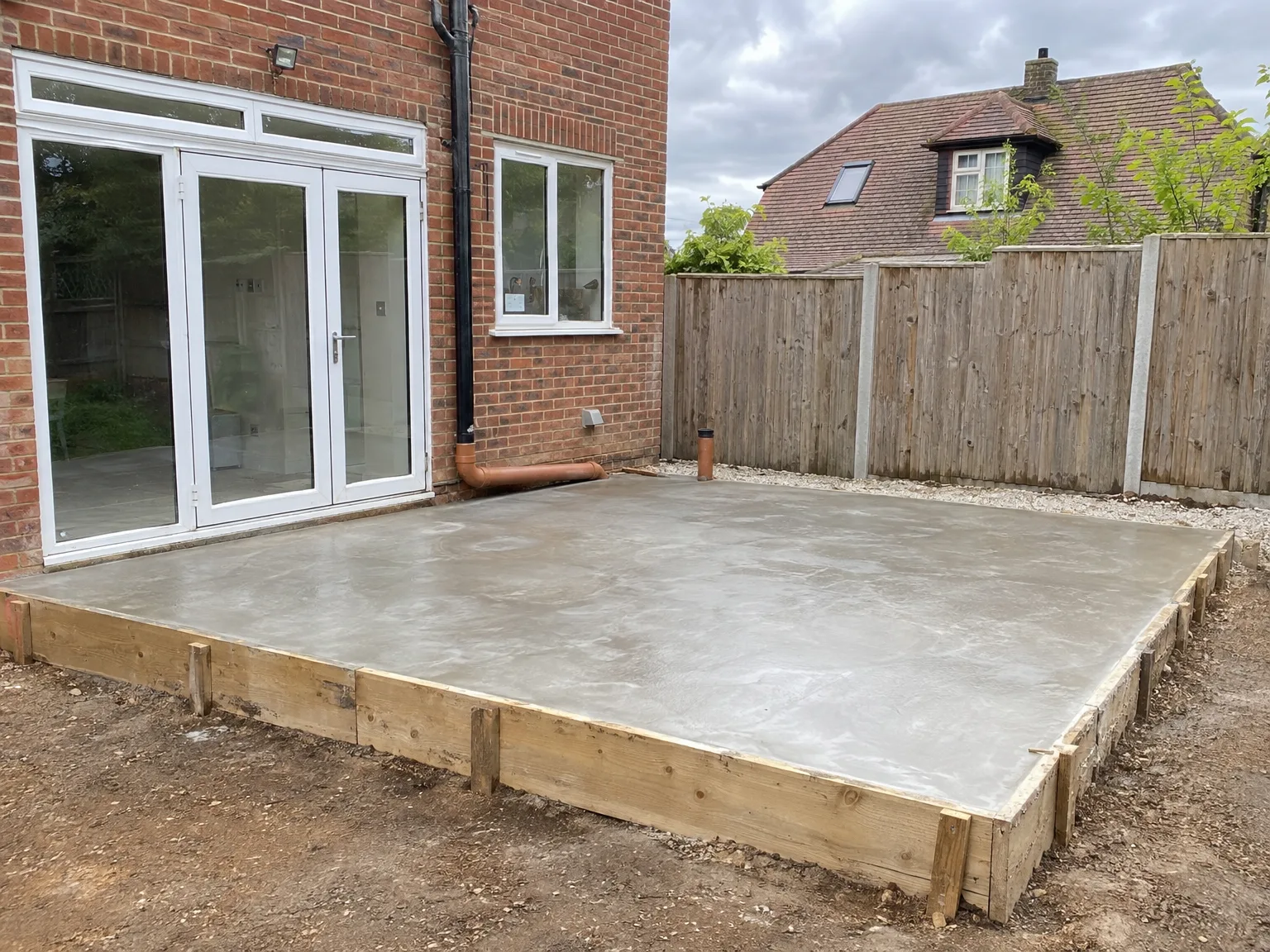

Concrete foundation base with timber formwork boards for residential groundworks project

Preparing Your Site Properly

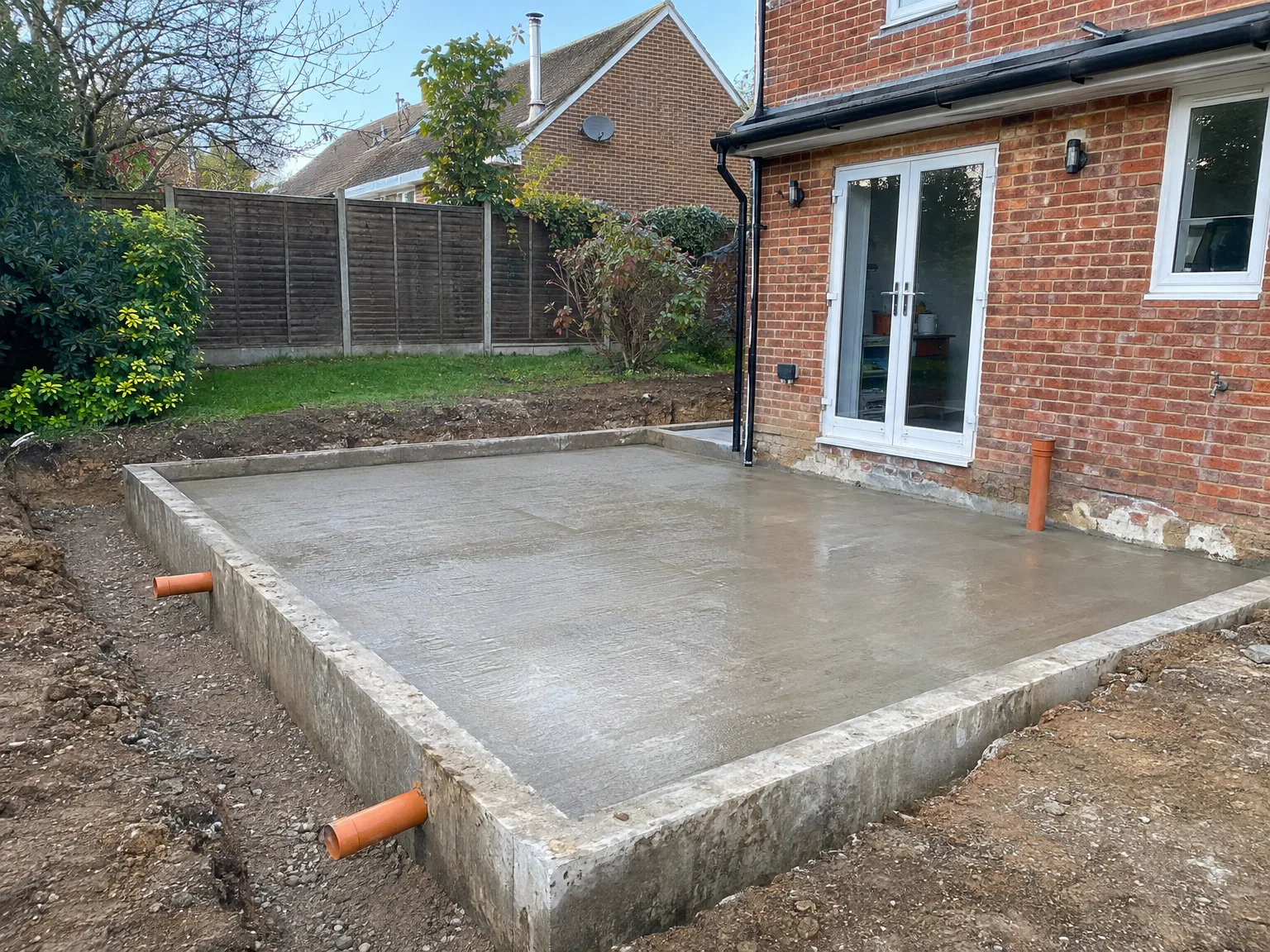
Concrete foundation slab and groundworks preparation on residential property with brick extension

Clearing Access Paths First

Lorries need room to reverse. When setting up foundations in Rottingdean, we always ask clients to move timber piles, garden pots or parked trailers away from the boundary line early. Diggers shift massive heaps of wet spoil that cannot sit on top of shared driveways, hedges or delicate garden brickwork without cracking slabs beneath their weight. A clear side gate prevents accidental panel knocks during early skips. Mud spreads fast across wet tarmac surfaces.

Locating Buried Utility Lines

Hand digging protects old pipework. Yellow plastic gas markers or forgotten grey soil stacks hide just beneath turf layers, especially near older property borders where previous owners rerouted their domestic drains casually. Striking an uncharted live cable pauses trench work immediately. We map out outdoor supply routes using hand scanners before any heavy excavator bucket bites down.

Advantages of Getting Foundations Done Properly

  • Long-Term Structural Stability

    Properly specified foundations prevent settlement cracks, uneven floors, and structural movement that can be costly to address once a building is established. Getting the foundations right in Rottingdean from the outset ensures the structure above performs optimally for decades.

  • Correct Ground Assessment

    Rottingdean's soil conditions vary greatly and behave differently under load; understanding these differences is key. Foundations designed around an actual site assessment rather than assumptions are much less likely to cause problems in the long run.

  • Building Control Sign-Off

    Foundations must adhere to Building Regulations and be inspected before advancing to the next stage. Achieving compliance correctly the first time avoids delays, unnecessary remediation, and issues with Building Control sign-off.

  • Reduced Long-Term Costs

    Attempting to cut corners with foundations is among the most expensive pitfalls in construction. Remedial foundation work requires excavation around or beneath an existing structure, which can be avoided entirely with solid foundations that preserve your property's value.

  • Smooth Project Progression

    Ensuring that the same team handles the foundations and subsequent work eliminates the risk of miscommunication between contractors and clarifies accountability if issues arise. We maintain accountability throughout the entire process, from groundworks to the finished build.

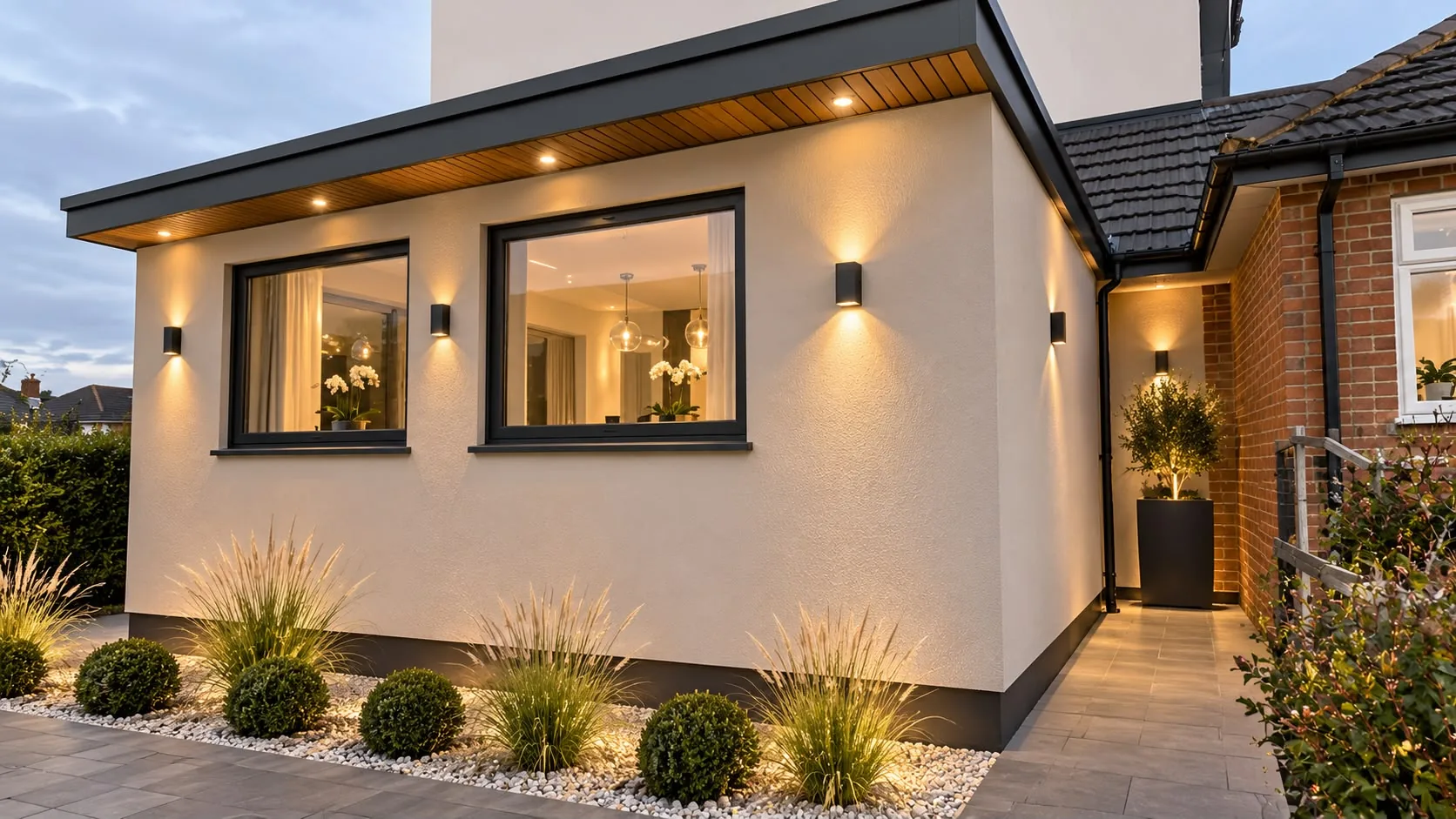
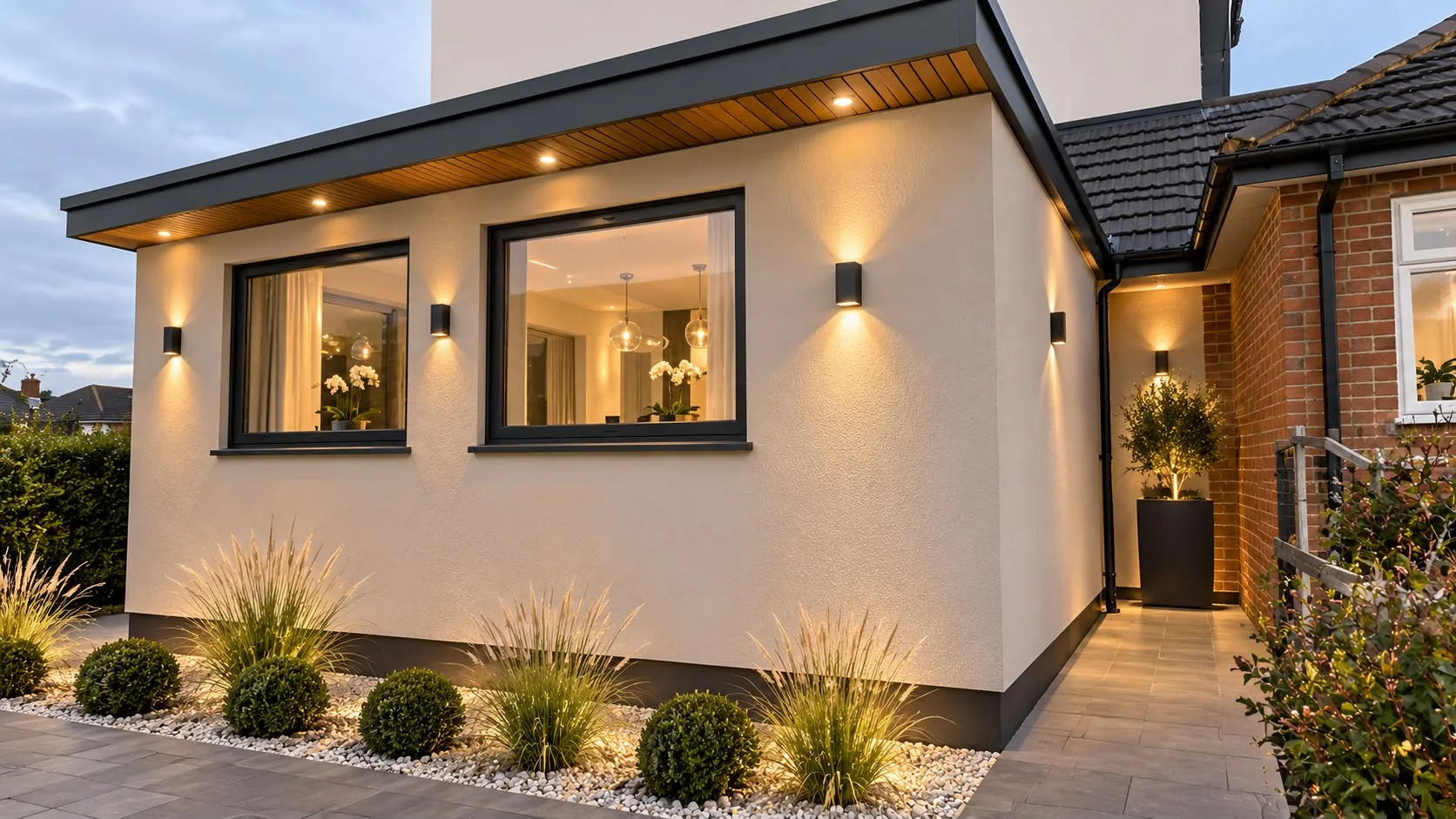
Rendered single-storey extension with large black-framed windows, soffit downlights and a landscaped patio

Ground Problems We Solve in Practice

Groundworks excavation with gravel backfill and concrete foundation steps during building construction

Difficult Ground Conditions

The ground conditions in Rottingdean can be unpredictable; clay may swell and shrink seasonally, chalk can be surprisingly soft, and sandy subsoil may not provide the bearing capacity it appears to. Before laying any foundations, we assess what truly lies beneath your site rather than making assumptions. This may mean digging deeper with strip foundations, opting for a concrete raft, or specifying piled foundations for seriously poor ground, which is key to preventing future structural issues.

Older Properties and Extensions

When extending an existing house in Rottingdean, the new foundations need to be designed with the original structure's requirements in mind, including depth, load transfer, and how both elements will coexist over time. With our extensive experience in handling extensions across Sussex, we understand the consequences when this isn’t properly addressed. Foundations for your extension must be accurately specified from the start, with Building Control approvals obtained at every stage before work continues.

Process of Foundation Work Step by Step

  1. Site Survey and Soil Assessment

    We visit the site in Rottingdean and conduct a thorough assessment of the ground to ascertain the soil conditions before any foundation work starts. Given the variance in local ground types, this analysis is crucial in determining the next steps.

  2. Foundation Design and Specification

    Utilizing findings from the survey, we establish the ideal foundation type for your project, whether that involves strip foundations, a concrete raft, or piled solutions for challenging conditions. The finalized specifications are documented in your contract before we proceed with excavation.

  3. Excavation and Groundworks

    We carry out excavation to the required depth using our own equipment, ensuring work remains controlled and the site is managed throughout the process. Meticulous groundworks at this stage allow the foundations to perform as intended.

  4. Concrete Pour and Damp-Proof Membranes

    Concrete is poured to exact specifications, and we install damp-proof membranes and drainage systems as necessitated by Building Regulations. Every component of the foundations is executed with precision, ensuring no shortcuts are taken during this critical phase.

  5. Building Control Inspection and Sign-Off

    Before any structural work above ground commences, we organize the requisite Building Control inspection to verify that the foundations meet the critical standards. It is only after receiving approval that we progress to the subsequent phases of the build.

Protecting Existing Utilities During Foundation Digs

Diverting Storm Water Pipes

Rainwater gullies frequently run across the intended build line. When digging out trenches for foundations in Rottingdean, our crew bridges clay pipes carefully using reinforced lintels or reroutes plastic runs so household foul water flows uninterrupted during work. Unchecked leaks wash away trench banks quickly. If damp chalk base gets saturated overnight from a broken junction, the entire trench floor turns to paste. We install temporary pump sumps before rain arrives.

Cabling and Ducting Channels

Modern builds demand incoming connections. Fresh foundations must accommodate twin sleeves for incoming thick black mains water pipe, armored power wires and communications conduits long before pour day. Punching holes through set concrete blocks weakens the structure unnecessarily and invites groundwater seepage into the internal subfloor voids later on. Pre-planned twin-wall ducting stays sealed with expandable bungs against rising damp.

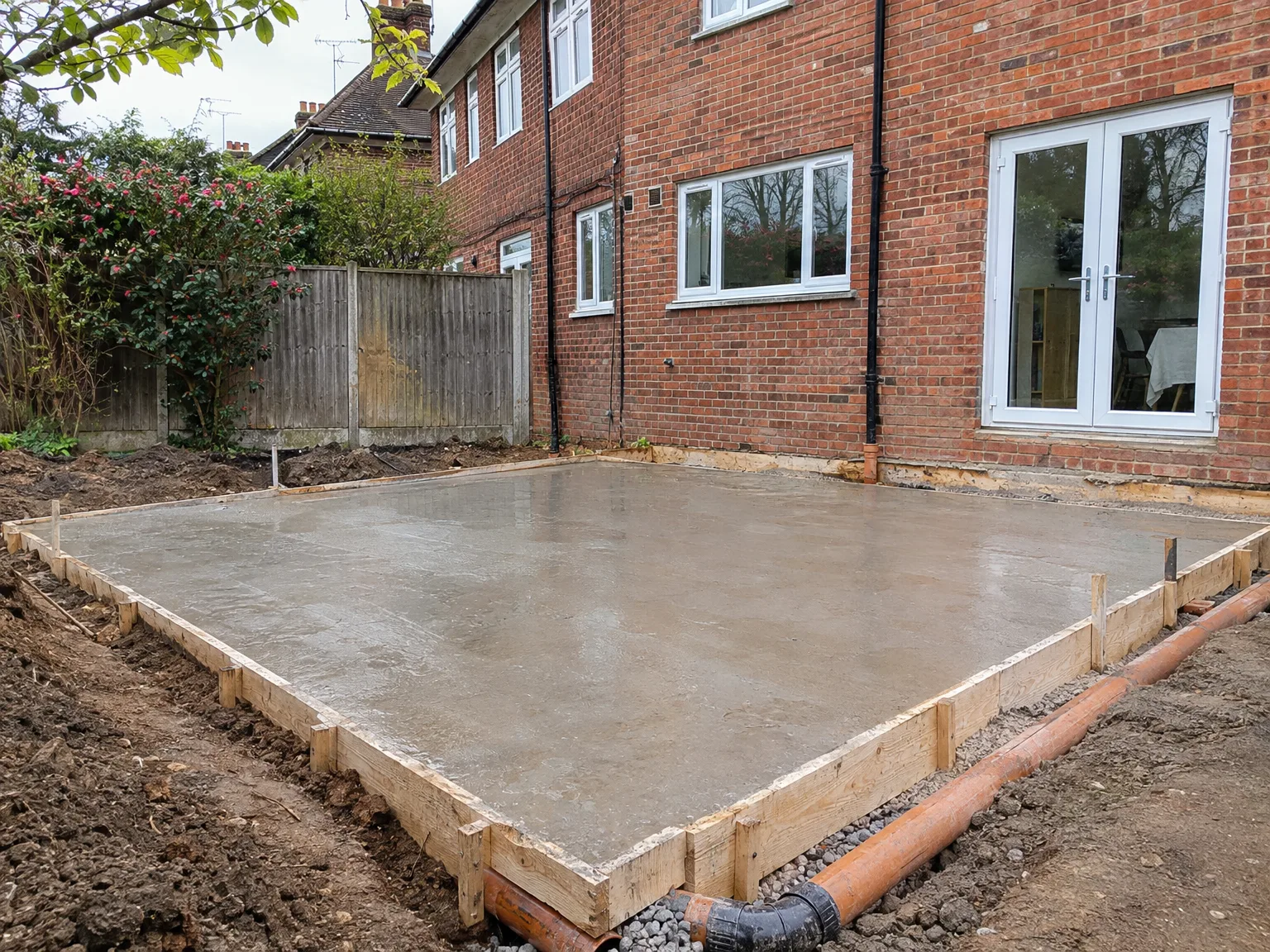
Newly poured concrete foundation slab with wooden formwork adjacent to brick house for groundworks

Managing Changing Ground Moisture Levels

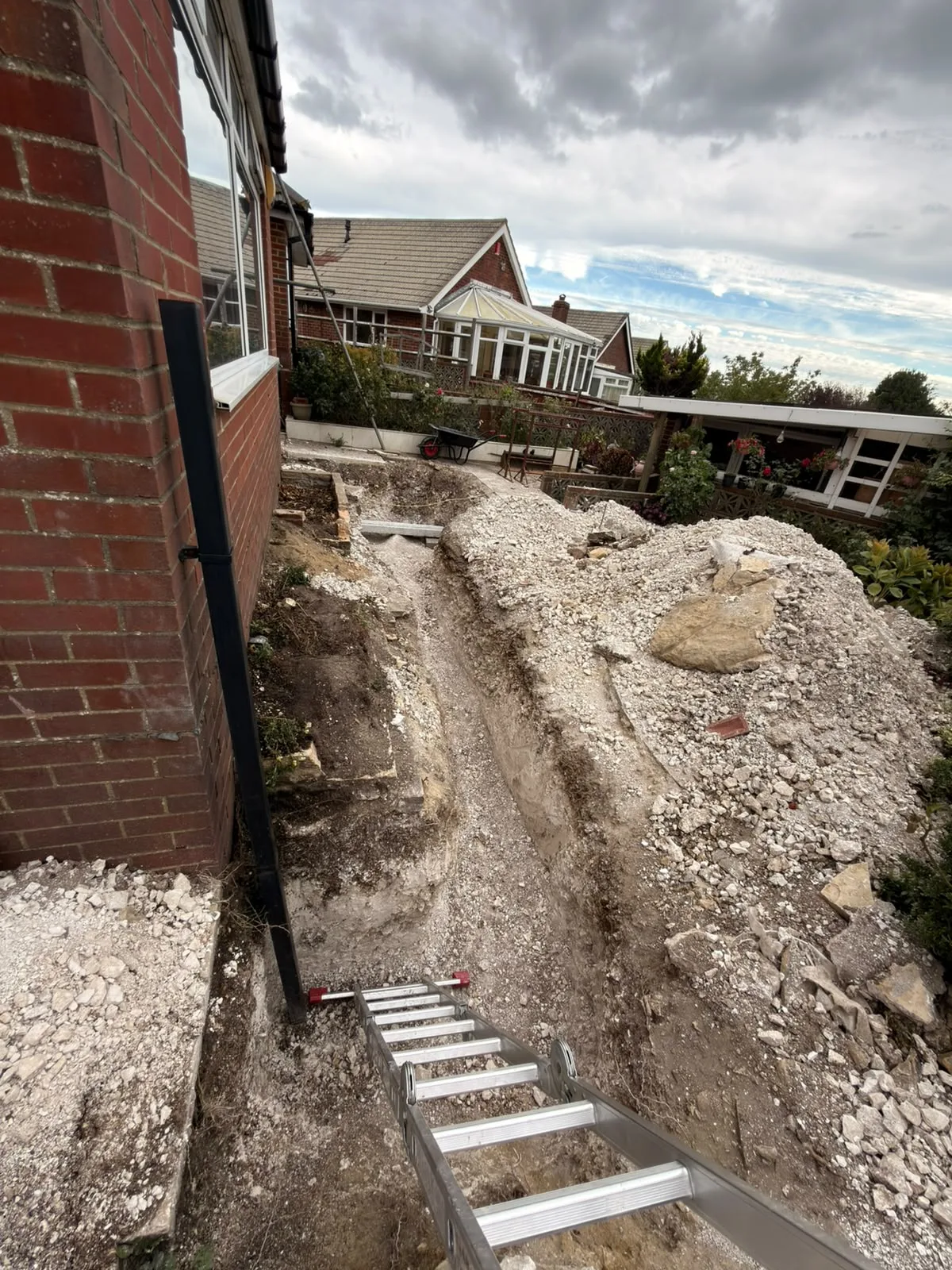
Excavated foundation groundworks showing prepared ground layers beside brick house

Impact of Thirsty Trees

Roots pull moisture away constantly. Laying reliable foundations in Rottingdean close to mature hedgerows requires deeper stepped channels, because drying subsoil shrinks and leaves voids beneath concrete footings. A sudden dry spell pulls support away from shallow footings completely.

Standing Water After Downpours

Pumps must run early. If a heavy storm floods open foundation trenches overnight, pouring straight into muddy water ruins structural consistency and leaves weak pockets throughout the mix. We strip sloppy silt out by hand spade before any concrete wagon chute drops.

Cold Snaps and Ground Frost

Frozen ground expands significantly. Concrete cannot cure over icy subbase layers without spalling later, which means frosty mornings require thermal fleece rolls laid flat over fresh pours until the core temperature stabilises safely. We pause work when ice forms thick crusts on top of exposed gravel layers.

Let's Talk About Your Foundation Requirements

What the Ground Tells Us

Before laying foundations in Rottingdean, we conduct a thorough site survey and soil assessment. Local ground conditions vary significantly, with clay, chalk, and sandy soils behaving uniquely under load. Our 35 years of experience monitoring these conditions inform how we specify and size foundations for each project.

Choosing the Right Solution

The recommended foundation type hinges on what the ground requires and what will be built above it. For most standard house extensions and new builds on stable ground, strip foundations suffice; however, challenging soil conditions may necessitate a concrete raft or pile work. We will finalize the entire specification with you before commencing work, excavating to the precise depth, pouring concrete to exact levels, and ensuring damp-proof membranes and drainage are correctly integrated-all approved by Building Control prior to moving on.

Local contact

Contact in Rottingdean

We operate in Rottingdean and the surrounding area, ready to assist with your foundation needs. Contact us by phone for a free estimate or to arrange a site visit.

approx. 15 milesDistance from our base · Haywards Heath

Call us+44 7351 026409Email usmorespacesussex@yahoo.com

We serve your areaRottingdean and the surroundings

The Google map loads after you accept marketing cookies.

Request Your Free Consultation

What Clients Say

01

“Very satisfied with the service! Excellent communication, clean workmanship, and everything completed professionally. Highly recommended!”

Maksymilian Mazur

Review from Google

What we build

Our Building Services

Project Results

Builders at MoreSpace Sussex Ltd deliver finished, practical living spaces tailored to each client's real needs.

Where We Operate

Builders from MoreSpace Sussex Ltd operate within a 40 km radius of Haywards Heath for all projects, from loft conversions and extensions to complete new builds.

Frequently asked questions - Foundations