
Extensions · Loft conversions · New builds

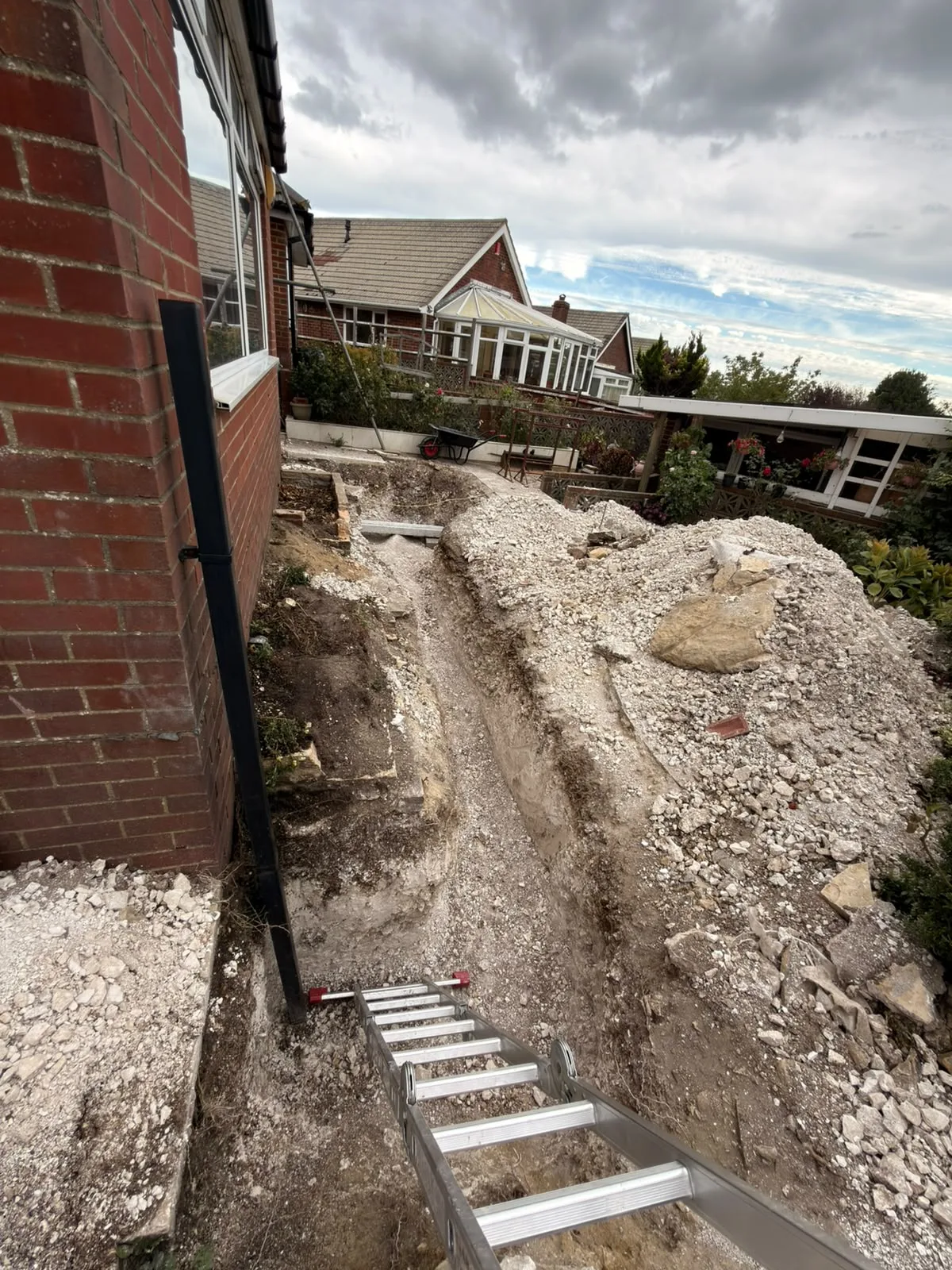
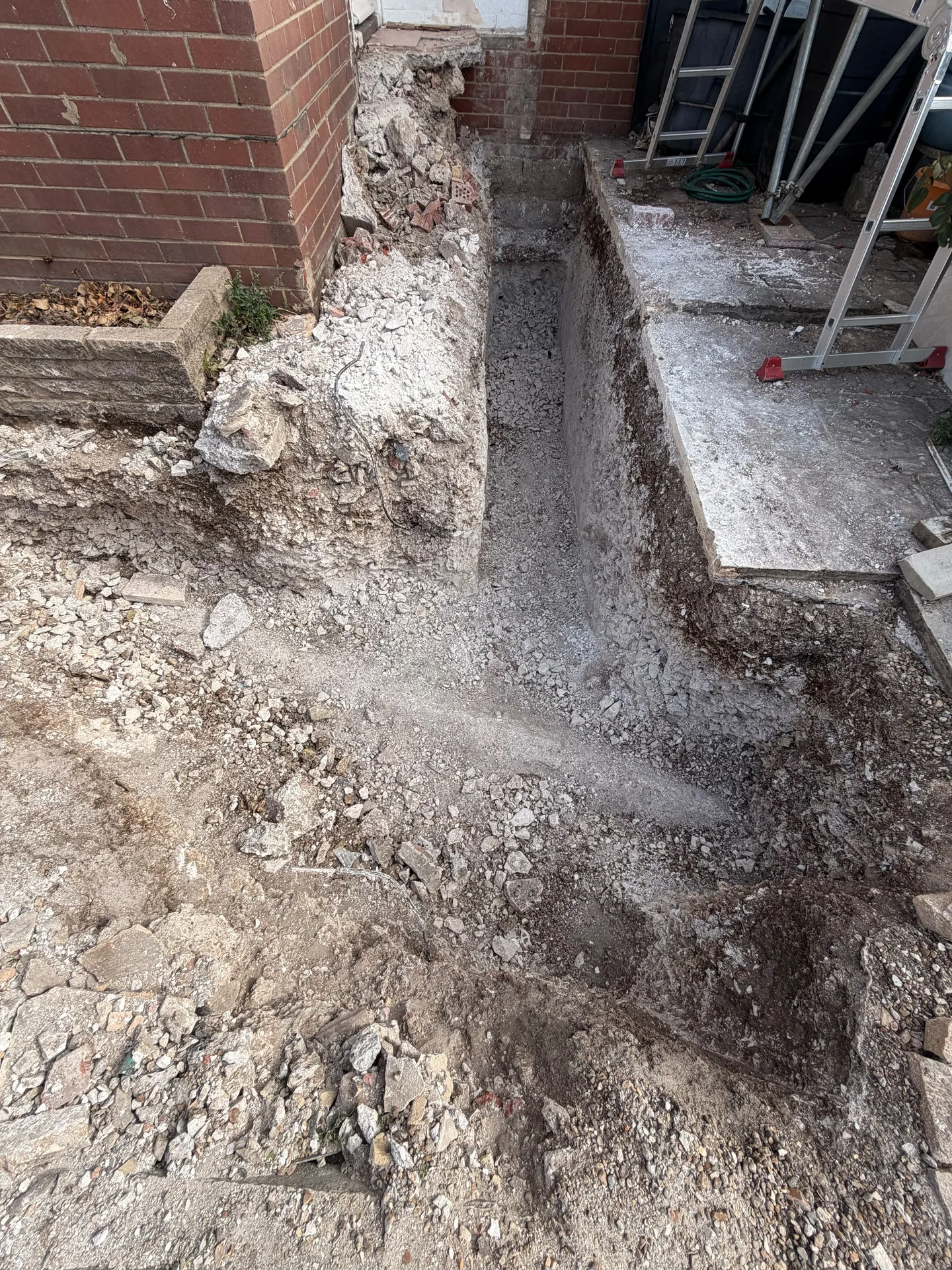
Excavated foundation groundworks showing prepared ground layers beside brick house

MoreSpace Sussex Ltd

Foundations in Burgess Hill

Every extension, loft conversion, or new build in Burgess Hill depends entirely on solid foundations laid correctly from day one.

  • On-time, on-budget delivery
  • Clear communication and a fast response
  • One contractor from groundworks to the keys

See our work in person Visit a finished project and talk to past clients

Request Your Free Consultation

Who This Service Is For

Homeowners Planning Extensions

If you're adding a single storey extension, kitchen extension, or any other form of house extension, the foundations in Burgess Hill are where the work genuinely begins. The specification depends on your soil type, the load the new structure will carry, and what's already beneath your existing property. Getting the foundations right means the rest of the build proceeds on solid ground, avoiding complications from cutting corners early on.

Investors Building New Homes

Anyone commissioning a new build home needs foundations that are designed for the specific conditions of their plot in Burgess Hill, not a generic approach applied without proper assessment. We conduct a full site survey before any excavation begins, establishing what the ground can realistically support and specifying the correct foundation type accordingly. Whether that's strip foundations, a concrete raft, or pile work for challenging terrain, the foundations are sized and constructed to meet both Building Regulations and the long-term demands above.

Owners of Older Sussex Properties

Older properties across Burgess Hill sit on a variety of ground conditions - clay, chalk, sandy subsoil - and extending them requires a clear understanding of what's already there. When we assess the site, we analyze the existing foundations and how new ones need to relate to them, particularly where soil conditions may have shifted over time. Getting this right protects your investment and prevents expensive structural problems once the build is complete.

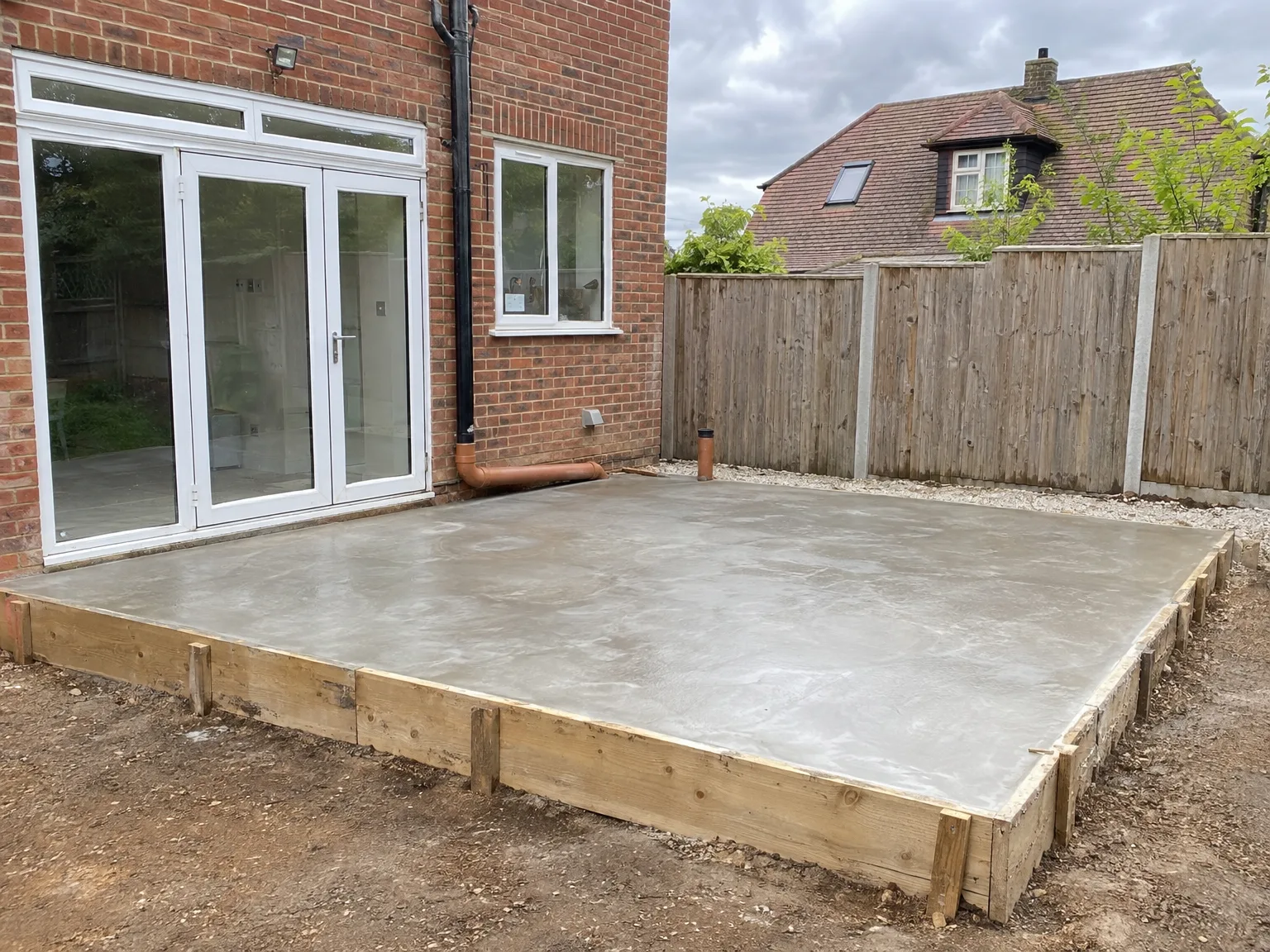
Concrete foundation slab and groundworks preparation on residential property with brick extension

Preparing Your Site Correctly

Groundworks excavation with gravel backfill and concrete foundation steps during building construction

Clearing Paths and Access

Machines need clear passage. When preparing for foundations in Burgess Hill, we look at side gates, overhead telephone wires, patio slabs, and garden boundary fences before bringing tracked plant into the rear plot. If narrow passages block access, timber boards must go down across the lawn to prevent severe rutting. A customer who forgets to relocate garden furniture or greenhouse frames often faces broken glass and churned turf. Clear routes keep diggers moving smoothly.

Locating Buried Utility Pipes

Shovels hit hidden supplies easily. Plastic water mains or clay gully lines often run just under the turf without any surface warnings, creating immediate flooding hazards for an unwary driver. We isolate live feeds before digging trenches for foundations. Marking these routes early prevents severed electrical cables beneath your patio slabs.

Advantages of Getting Foundations Done Properly

  • Long-Term Structural Stability

    Properly specified foundations in Burgess Hill prevent settlement cracks, uneven floors, and structural movement that become costly to address once a building is up. Getting the foundations right from the start means the structure above performs as it should for decades.

  • Correct Ground Assessment

    Soil conditions in Burgess Hill vary considerably, from clay and chalk to sandy ground, and each type behaves differently under load. Foundations designed based on an actual site assessment rather than assumptions are far less likely to cause issues down the line.

  • Building Control Sign-Off

    Foundations must meet Building Regulations requirements in Burgess Hill and be inspected before work progresses to the next stage. Having this done correctly the first time avoids delays, remedial work, and complications with Building Control sign-off.

  • Reduced Long-Term Costs

    Cutting corners at the foundation stage is one of the most expensive mistakes in construction, as remedial work means excavating around or beneath an existing structure. Strong foundations eliminate that risk and protect the value of your property.

  • Smooth Project Progression

    When the same team handles foundations and everything that follows in Burgess Hill, there is no risk between contractors and no ambiguity about who is responsible if something is not right. We maintain that accountability from the groundworks stage through to the finished build.

Rendered single-storey extension with large black-framed windows, soffit downlights and a landscaped patio

Ground Problems We Solve in Practice

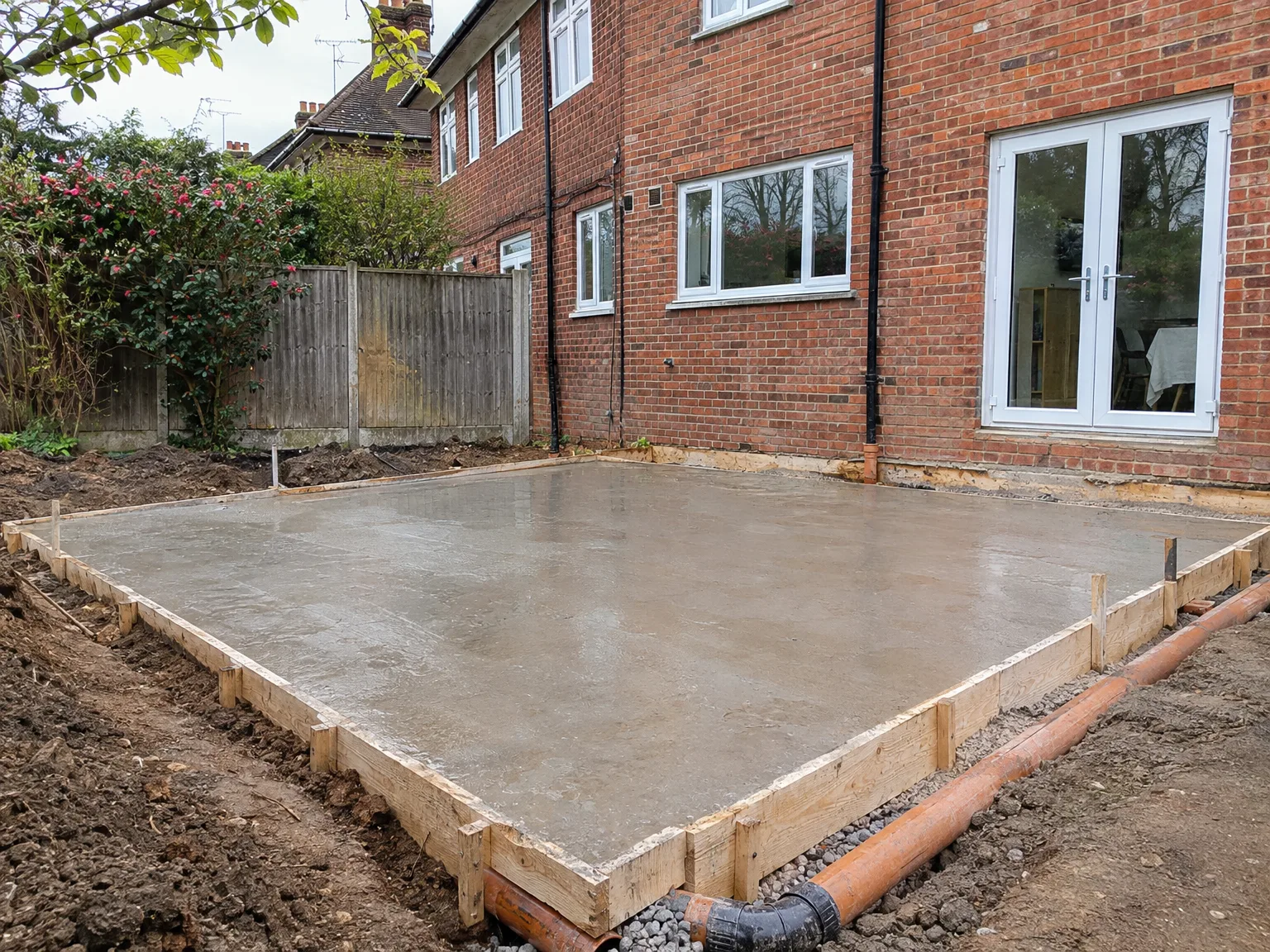
Concrete foundation base with timber formwork boards for residential groundworks project

Difficult Ground Conditions

Ground conditions in Burgess Hill can be unpredictable - clay shrinks and swells with the seasons, chalk can be deceptively soft in places, and sandy subsoil offers far less bearing capacity than it appears. Before we lay any foundations, we assess what's actually beneath your site. Whether that means deeper strip foundations, switching to a concrete raft, or specifying piled foundations for genuinely poor ground, we size the solution to the conditions. Getting foundations right at this stage is essential to prevent costly structural problems years down the line.

Older Properties and Extensions

When extending an existing house in Burgess Hill, the new foundations must be designed with the original structure in mind - depth, load transfer, and how both will sit alongside each other over time. We've worked on extensions across Sussex for 35 years, and we've seen the repercussions when this isn't thought through properly. The foundations for your extension need to be specified correctly, with Building Control sign-off at each stage before work progresses. One team managing the groundworks, foundations, and everything above means a solid link between what's built below and what goes on top.

Process of Foundation Work Step by Step

  1. Site Survey and Soil Assessment

    We visit the site in Burgess Hill and conduct a thorough ground assessment to understand the soil conditions before any foundations work begins. In this area, where soil can vary between clay, chalk, and sandy subsoils, this step determines everything that follows.

  2. Foundation Design and Specification

    Based on our survey findings, we establish the correct foundation type for your project, whether strip foundations, a concrete raft, or piled solutions for more challenging ground. The agreed specification is included in your contract before any excavation starts.

  3. Excavation and Groundworks

    We excavate to the required depth in Burgess Hill using our own plant and equipment, keeping the work controlled and the site managed throughout. Accurate groundworks at this stage allow the foundations to perform as designed.

  4. Concrete Pour and Damp-Proof Membranes

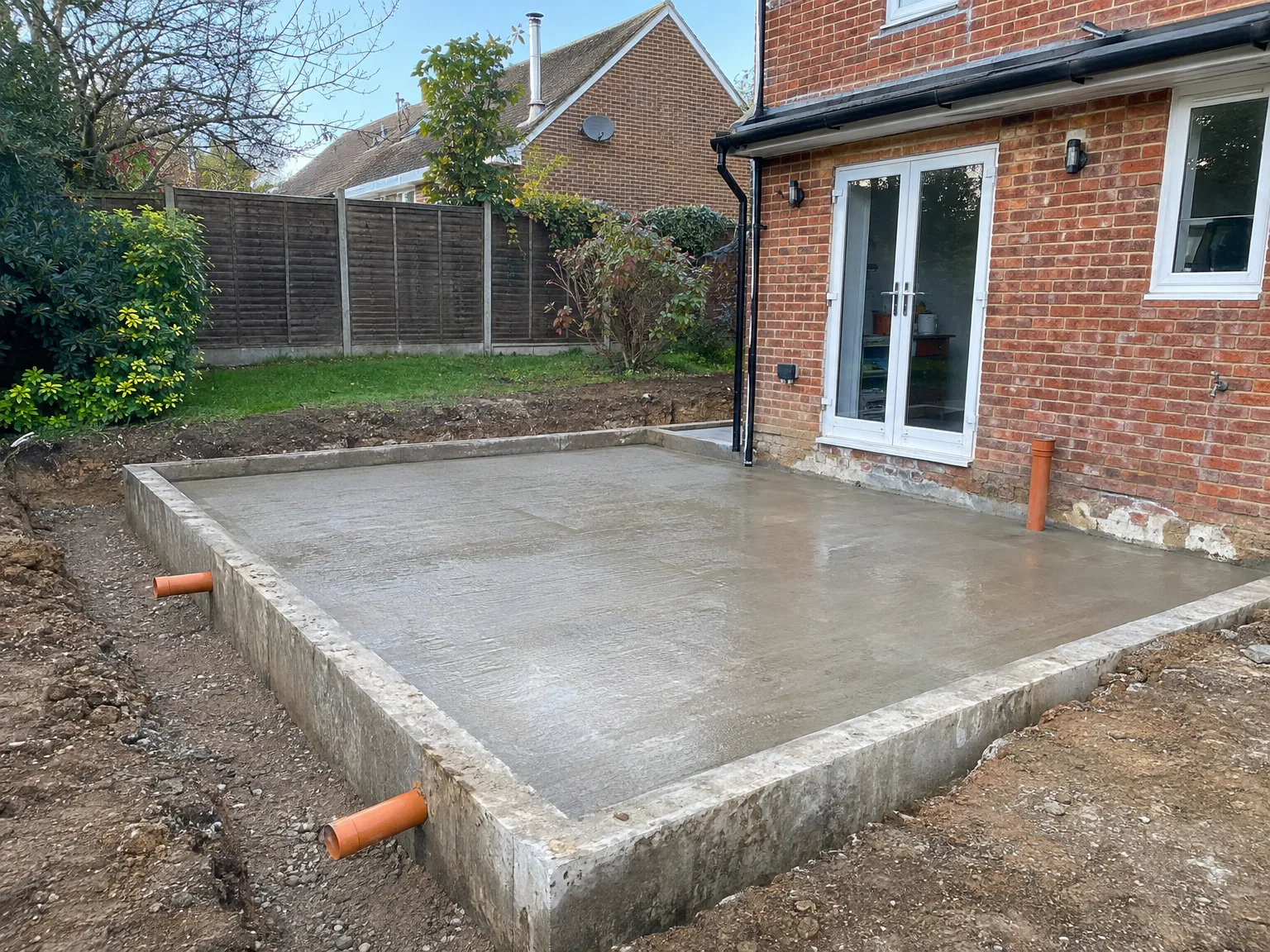
    We pour concrete to exact levels and install damp-proof membranes and drainage as required by Building Regulations. Each element of the foundations is executed to specification, without shortcuts taken on materials or method.

  5. Building Control Inspection and Sign-Off

    Before any structural work above ground begins, we arrange the required Building Control inspection in Burgess Hill to confirm the foundations meet necessary standards. Only once everything is signed off do we proceed to the next stage of the build.

Managing Changing Weather Conditions During Your Build

Handling Torrential Rain

Trench edges soften quickly under downpours. Wet subsoil turns muddy, causing trench sides to slump inward and collect filthy runoff that weakens concrete mixes. When managing foundations in Burgess Hill during rainy spells, we pump out standing water and cover exposed dirt with heavy polythene sheets. This keeps trench bottoms dry.

Protecting Work from Freezing Temperatures

Frost damages newly poured bases. Freezing water inside setting concrete causes flaking, weak internal bonding, and crumbling surfaces that ruin load capacities. We lay thermal insulating quilts across fresh foundations when overnight temperatures drop near freezing. This simple habit protects the curing mix from sudden winter snaps.

Newly poured concrete foundation slab with wooden formwork adjacent to brick house for groundworks

Joining New Work to Surrounding Buildings

Excavated foundation groundworks showing prepared ground layers beside brick house

Protecting Existing House Walls

Old brickwork needs steady support. When trenching right alongside an existing home, aggressive excavation can undermine shallow Victorian footings. We dig in alternating sections to prevent the neighbouring exterior wall from shifting or cracking. Thoughtful underpinning protects older brick corners during foundations in Burgess Hill.

Navigating Buried Drainage Connections

Sewers cross garden boundaries constantly. New foundations cannot simply crush existing pipework or block foul lines running toward the street manhole. We sleeve pipes through dense concrete walls using flexible joints and compressible foam wrap. This stops shifting masonry from snapping your waste pipes later.

Accommodating Root Systems and Trees

Mature hedges suck up ground moisture rapidly. Thirsty roots cause seasonal soil shrinkage, leading to uneven movement beneath new floor structures. We fit compressible polystyrene void formers along trench sides to absorb ground heave when installing foundations near large boundary oaks. Soil shifts without pushing the walls.

Let's Talk About Your Foundation Requirements

What the Ground Tells Us

Before any foundations are laid in Burgess Hill, we conduct a proper site survey and soil assessment. Soil conditions vary considerably, and foundations designed without accounting for that will lead to problems. For 35 years, we've read ground conditions across this area, and that experience shapes how we specify and size foundations for every project.

Choosing the Right Solution

The type of foundations we recommend depends entirely on what the ground requires and what's being built above it. Strip foundations work well for most extensions and new builds on stable ground, while a concrete raft or pile work may be necessary in challenging soil conditions. We agree the full specification with you before work begins, excavate to the correct depth, pour concrete to exact levels, and ensure damp-proof membranes and drainage are installed properly - all signed off by Building Control before we move to the next stage.

Local contact

Contact in Burgess Hill

We work locally in Burgess Hill and the surrounding area, providing reliable foundation services. Contact us for a free estimate or to arrange a visit to discuss your project.

< 10 milesDistance from our base · Haywards Heath

Call us+44 7351 026409Email usmorespacesussex@yahoo.com

We serve your areaBurgess Hill and the surroundings

The Google map loads after you accept marketing cookies.

Request Your Free Consultation

What Clients Say

01

“Very satisfied with the service! Excellent communication, clean workmanship, and everything completed professionally. Highly recommended!”

Maksymilian Mazur

Review from Google

What we build

Our Building Services

Project Results

Builders at MoreSpace Sussex Ltd deliver finished, practical living spaces tailored to each client's real needs.

Where We Operate

Builders from MoreSpace Sussex Ltd operate within a 40 km radius of Haywards Heath for all projects, from loft conversions and extensions to complete new builds.

Frequently asked questions - Foundations